

Innovation and productivity in the agricultural sector
From the soil to the market: how agricultural products move through the food supply chain

The evolution of agricultural models
New agricultural practices serving the environment
In response to environmental pressures and changing consumer expectations, farmers are increasingly adopting farming practices that protect ecosystems. Sustainable agriculture seeks to conserve natural resources while maintaining economically viable production through reduced chemical inputs, crop rotation, and on-farm biodiversity conservation.
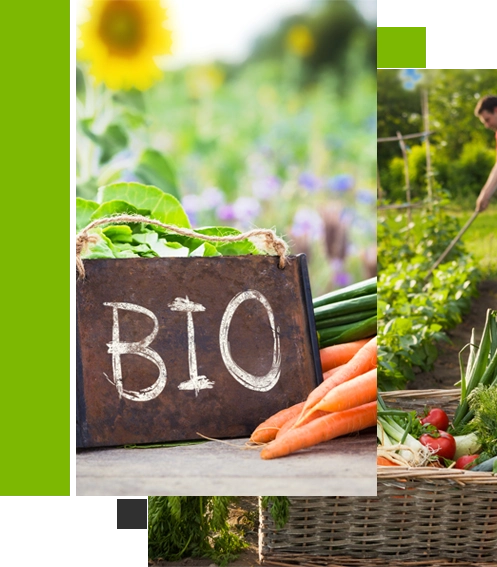
Organic farming follows production standards that prohibit synthetic pesticides and genetically modified organisms. Although organic agriculture still represents a relatively small share of global farmland, its development is supported by organic certification standards, agricultural policies, and consumer interest in locally produced food.

Optimizing the soil for better crops

Diversifying and enriching
crops

Controlling water
in the field

Nourishing soils
sustainably

Agricultural equipment
Agricultural mechanics at the service of farms
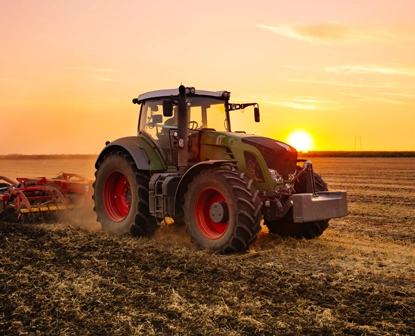
Farm tractor
The farm tractor is a versatile machine used for field preparation and crop management, capable of pulling trailers and operating various tractor-mounted farm implements.
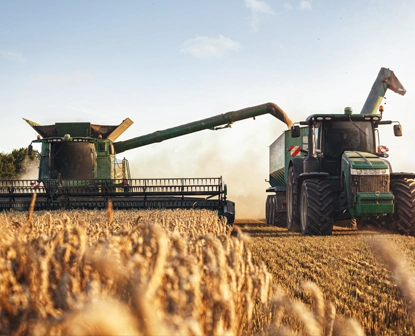
Combine harvester
The combine harvester performs mechanized grain harvesting by combining cutting, threshing, and grain separation in a single operation.
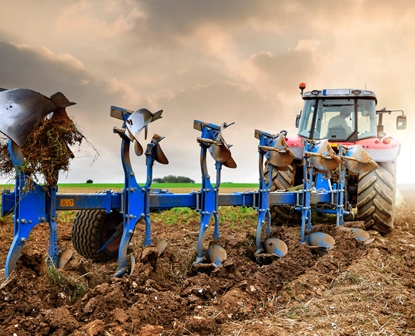
Plow
The plow performs primary soil tillage by turning and loosening the soil before sowing, helping prepare a suitable seedbed for crop establishment.
Understanding bioagriculture
Towards sustainable agriculture
Bioagriculture brings together ecologically responsible farming practices designed to maintain natural balances and reduce environmental impacts. Limiting synthetic fertilizer use and chemical pesticides can support soil biological activity, biodiversity, and water quality. Techniques such as crop rotation, composting, and biological pest control help preserve long-term soil fertility.
Livestock sector
Main types of livestock farming
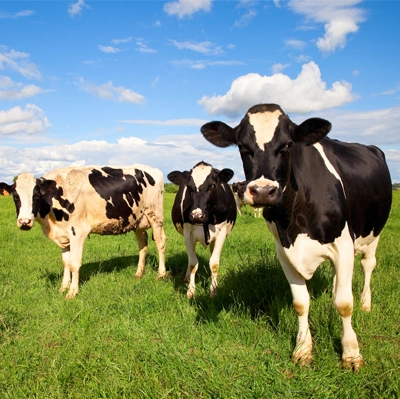
Cattle, Sheep, and Goat Farming
Cattle, sheep, and goat farming contributes to meat and dairy production, while sheep may also provide wool. Feeding, grazing, and ruminant herd management differ according to the species and production system.
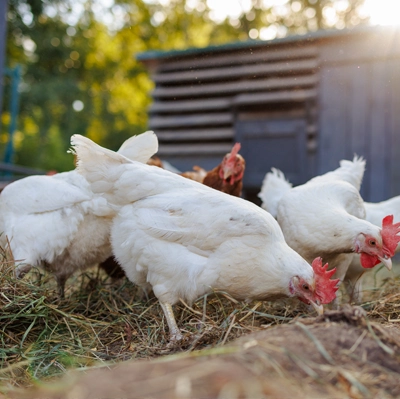
Poultry farming
Poultry production systems raise chickens, turkeys, ducks, and other birds primarily for eggs or meat. Intensive and extensive poultry farming differ in housing arrangements, stocking density, and flock management practices.
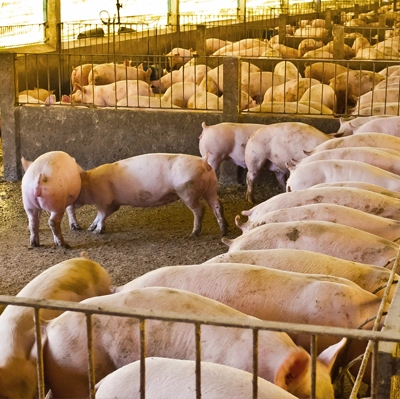
Pig farming
Pig production systems focus primarily on meat production, with housing, feeding, and livestock biosecurity measures adapted to herd size, production stages, and farming methods.
A sustainable response to food challenges
Agricultural relocation and short supply chains
As food supply chains become more complex, local food distribution networks offer alternatives that can bring producers and consumers closer together. Through farm-to-consumer direct sales or distribution involving few intermediaries, farmers can strengthen customer relationships and retain greater control over marketing. Depending on logistics and production methods, short agricultural supply chains can reduce certain transport requirements while improving access to regionally produced food.

Precision agriculture
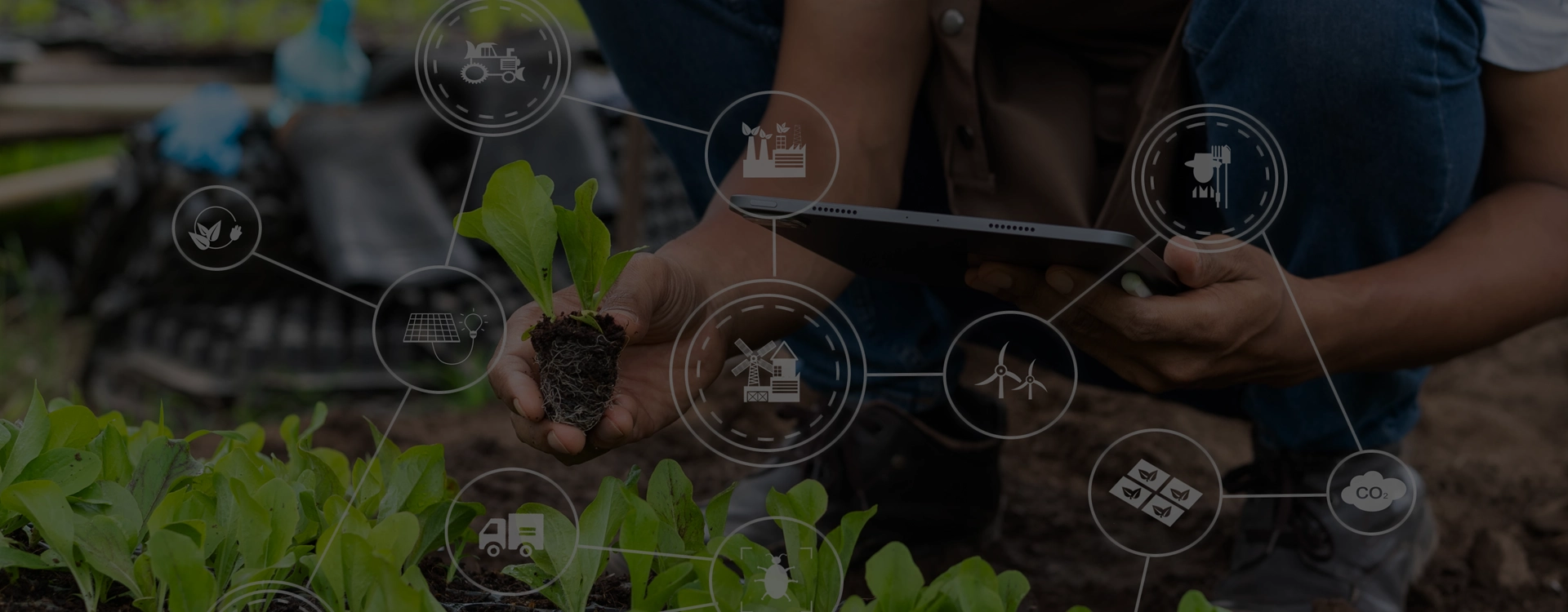
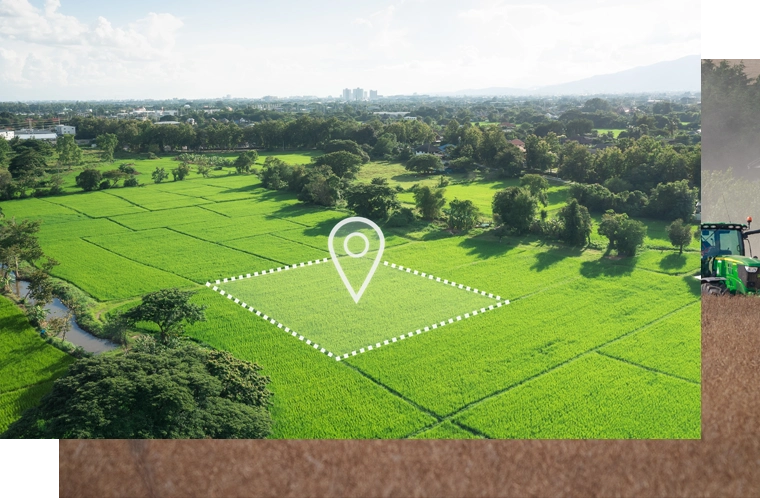
By combining GPS-guided field operations, drones, sensors, and agricultural data analysis, precision agriculture enables site-specific crop management. Farmers can adapt seeding, fertilization, and irrigation to field conditions, improving input efficiency and supporting more consistent crop performance.

Autonomous agricultural machinery
Autonomous tractors and agricultural robots use sensors, positioning systems, and automated controls to carry out selected field operations with reduced direct supervision. These technologies can support automated crop operations, improve operational consistency, and reduce the physical demands of repetitive farm tasks.
From field to orchard
The various types of agricultural crops
Cereal farming
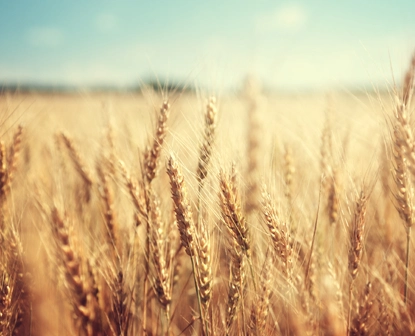
Cereal crop production includes wheat, corn, barley, and rice grown for human food and animal feed, with cultivation methods adapted to each crop and growing environment.
Market gardening
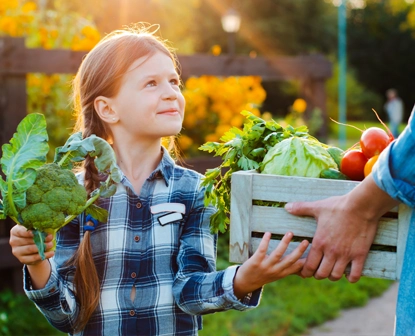
Vegetable crop production includes tomatoes, carrots, lettuce, and other fresh produce cultivated through open-field vegetable growing or protected greenhouse systems.
Fruit farming
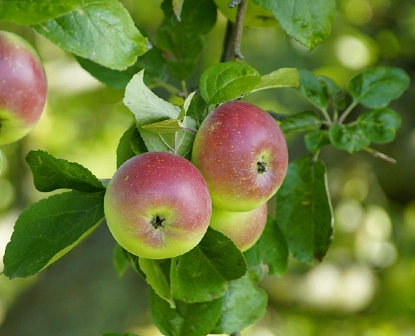
Fruit crop cultivation includes apples, grapes, citrus fruits, and strawberries, with production methods ranging from orchard fruit production and vineyards to specialized berry-growing systems.